
Epidemiologia występowania dolegliwości stawowych
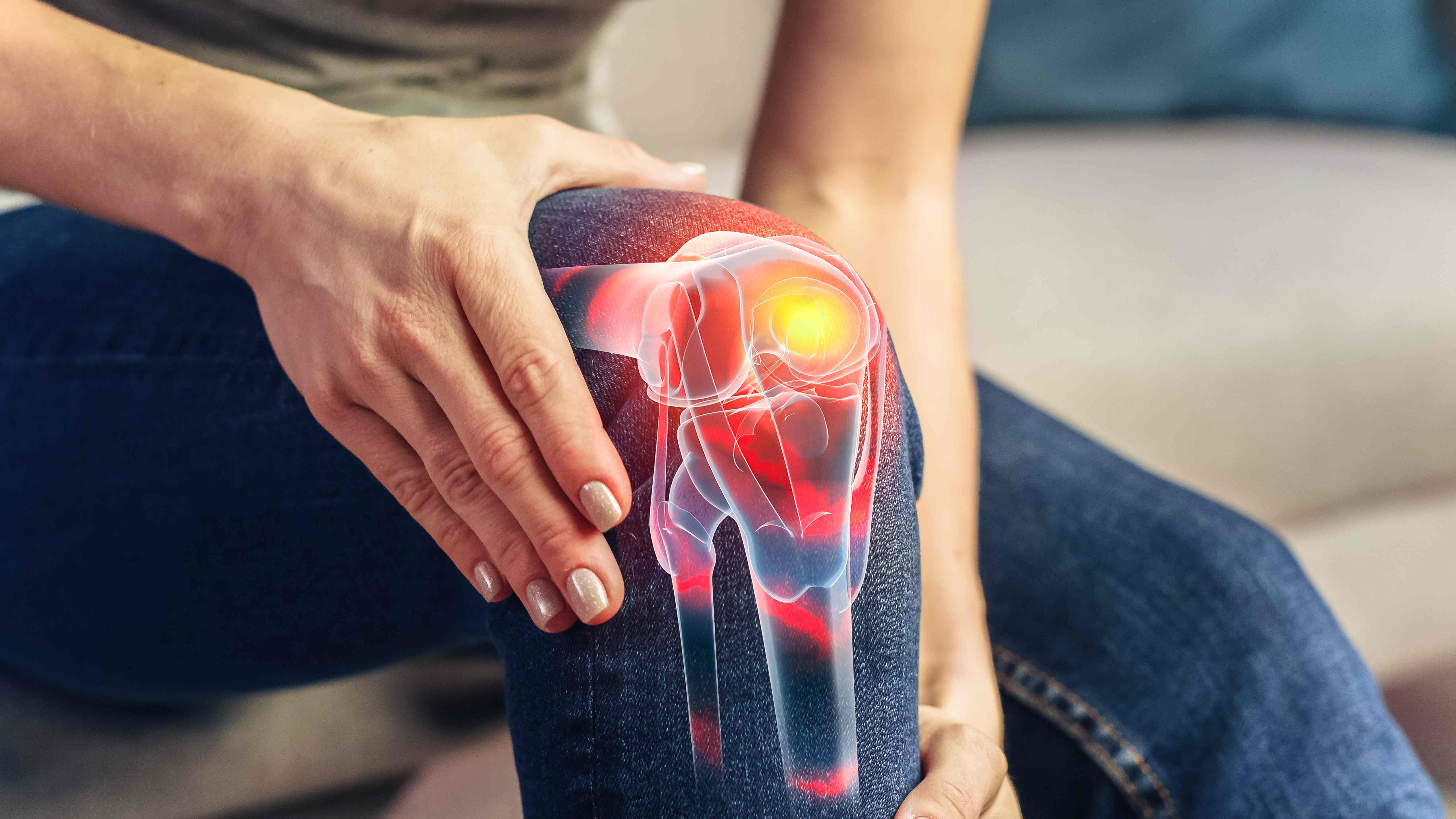
Spośród chorób układu kostno-mięśniowego i tkanki łącznej najczęstszymi są choroba zwyrodnieniowa stawów (ChZS) oraz reumatoidalne zapalenie stawów (RZS). Dane z 2020 roku wykazały, że aż 7,6% populacji globalnej (595 milionów osób) cierpiało na ChZS2, a występowanie RZS szacowano w tym roku na około 0,25-1% populacji3, co odpowiadało liczbie około 17,6 miliona pacjentów4. Prognozuje się, że w 2050 roku liczba pacjentów z ChZS może wzrosnąć nawet o 60-100%2, a RZS może dotyczyć nawet 31,7 milionów osób4. Inne dolegliwości stawów występują stosunkowo rzadziej i obejmują artropatie związane z zakażeniami (np. bezpośrednie zakażenie stawu – zakażenie bakteryjne stawu czy wirusowe zakażenie stawu), artropatie zapalne (np. dna moczanowa), niektóre nieokreślone schorzenia stawów lub deformacje kończyn (np. choroby rzepki) oraz inne, niespecyficzne1. Biorąc pod uwagę, że ChZS stanowi najczęstszą przypadłość układu ruchu oraz główną przyczynę bólu w jego obrębie5, a włączenie preparatów wspomagających może przynieść pewne korzyści terapeutyczne w jej leczeniu, to właśnie na tej jednostce chorobowej skupia się niniejszy artykuł.
Zaloguj się, by przeczytać resztę artykułu
Zaloguj się keyboard_arrow_rightPrzypisy
- ICD-11 for Mortality and Morbidity Statistics. https://icd.who.int/browse/2026-01/mms/en#1473673350 [dostęp: 30.06.2026]
- GBD 2021 Osteoarthritis Collaborators. “Global, regional, and national burden of osteoarthritis, 1990-2020 and projections to 2050: a systematic analysis for the Global Burden of Disease Study 2021. Lancet Rheumatol. 2023; 5(9): e508-e522.
- Wei L, et al. “Global, regional, and national burden and trends of rheumatoid arthritis among the elderly population: an analysis based on the 2021 Global Burden of Disease study”. Front Immunol. 2025; 16: 1547763.
- GBD 2021 Rheumatoid Arthritis Collaborators. “Global, regional, and national burden of rheumatoid arthritis, 1990-2020, and projections to 2050: a systematic analysis of the Global Burden of Disease Study 2021”. Lancet Rheumatol. 2023; 5(10): e594-e610.
- Woroń J. “Pharmacological treatment of osteoarthritis – current recommendations”. Lekarz POZ. 2020; 6(1): 33-36.
- Tang S, et al. “Osteoarthritis”. Nat Rev Dis Primers. 2025; 11(1): 10.
- Marcol-Maciejewska A, et al. “Reumatoidalne zapalenie stawów — propozycje postępowania diagnostycznego”. Forum Reumatol. 2017; 3(2): 88-92.
- Baden KER, et al. “The Safety and Efficacy of Glucosamine and/or Chondroitin in Humans: A Systematic Review”. Nutrients. 2025; 17(13): 2093.
- Park YB, Kim JH. “Effectiveness and Safety of SYSADOAs Used in Eastern and Western Regions for the Treatment of Knee Osteoarthritis: A Systematic Review and Meta-Analysis of Randomized Controlled Trials-SYSADOAs Are Effective and Safe for Knee OA”. Medicina (Kaunas). 2025; 61(2): 331.
- Singh JA, et al. “Chondroitin for osteoarthritis”. Cochrane Database Syst Rev. 2015; 1(1): CD005614.
- Kolasinski SL, et al. “2019 American College of Rheumatology/Arthritis Foundation Guideline for the Management of Osteoarthritis of the Hand, Hip, and Knee. Arthritis Rheumatol. 2020; 72(2): 220-233. Erratum in: Arthritis Rheumatol. 2021; 73(5): 799.
- Bruyère O, et al. “An updated algorithm recommendation for the management of knee osteoarthritis from the European Society for Clinical and Economic Aspects of Osteoporosis, Osteoarthritis and Musculoskeletal Diseases (ESCEO)”. Semin Arthritis Rheum. 2019; 49(3): 337-350.
- Kloppenburg M, et al. “2018 update of the EULAR recommendations for the management of hand osteoarthritis”. Ann Rheum Dis. 2019; 78(1): 16-24.
- National Institute for Health and Care Excellence (NICE). “Osteoarthritis in over 16s: diagnosis and management”. London: NICE; 2022 Oct 19. (NICE Guideline, No. 226). [dostęp: 29.04.2026]
- Arden NK, et al. “Non-surgical management of knee osteoarthritis: comparison of ESCEO and OARSI 2019 guidelines”. Nat Rev Rheumatol. 2021; 17(1): 59-66.
- Głuszko P, Stasiek M. “Symptom-modifying effects of oral avocado/soybean unsaponifiables in routine treatment of knee osteoarthritis in Poland. An open, prospective observational study of patients adherent to a 6-month treatment”. Reumatologia. 2016; 54(5): 217-226.
- Gupta A, Maffulli N. “Undenatured type II collagen for knee osteoarthritis”. Ann Med. 2025; 57(1): 2493306.
- Fuggle N, et al. “Expert consensus on hyaluronic acid injections for knee osteoarthritis: a patient-centered approach”. Aging Clin Exp Res. 2026; 38(1): 110.
- Romanowski W, et al. „Choroba zwyrodnieniowa stawów — aktualne standardy leczenia”. Rheumatology Forum. 2016; 2(2): 52-57.
- Smolen JS, et al. “EULAR recommendations for the management of rheumatoid arthritis with synthetic and biologic disease-modifying antirheumatic drugs: 2025 update”. Ann Rheum Dis. 2026: S0003-4967(26)00075-0.
- Fuggle N, et al. “Treatment of Osteoporosis and Osteoarthritis in the Oldest Old”. Drugs. 2025; 85(3): 343-360.
- Nedunchezhiyan U, et al. “Obesity, Inflammation, and Immune System in Osteoarthritis”. Front Immunol. 2022; 13: 907750.